
Autumn Cutting Routine for Meadow Management
Why Autumn Is the Making of a Meadow
A wildflower meadow is not a case of scattering seed and walking away. The single most important thing you will do all year happens in late summer and early autumn, when the flowers have finished and the grasses have gone to seed. Get the timing and technique right and you will see your meadow grow richer, more varied and more flower-heavy with each passing year. Get it wrong — or skip it altogether — and you will watch coarse grasses quietly take over, smothering the very wildflowers you set out to encourage.
The principle behind meadow management is simple, even if it feels counterintuitive to a gardener used to feeding and pampering plants. Wildflowers thrive on low fertility. Rich soil grows tall, thuggish grasses and a handful of dominant species. Poor soil grows a diverse, delicate mix. Your autumn cut is how you tip the balance in favour of the flowers.
Timing the Cut After Seed Set
Resist the urge to tidy up in July. A meadow in full flower is working hard — it is feeding pollinators, setting seed and completing its life cycle. The correct moment to cut is after the majority of flowers have dropped their seed, usually from late August to mid-September in most of the UK, later in the mild south-west and earlier in the colder north.
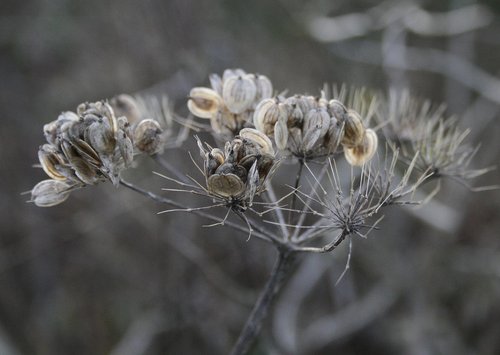
How do you judge it? Look for the seed heads. When the knapweed, ox-eye daisy, meadow buttercup and yellow rattle have turned brown and papery, and the grasses are dry and straw-coloured, the seed has largely been shed. A useful rule of thumb is to wait around four to six weeks after peak flowering. If you cut too early, you rob next year's display and starve the birds and insects still feeding on the seed.
If you want to be certain seed has dropped, you can cut in two passes: take a strip first, leave it a fortnight, then finish the rest. This staggered approach also leaves a moving refuge of tall stems for anything still active.
Cutting, Raking and Removing the Clippings
The cut itself is straightforward, but the follow-up matters just as much. Aim to take the vegetation down to around 5–10 cm — short enough to let light reach the soil, long enough to protect the crowns of perennial plants through winter.
- Use a brushcutter, scythe or a mower on its highest setting. A scythe is traditional and wonderfully quiet, but a strimmer with a metal blade makes short work of a larger patch.
- Leave the cut material lying for two to five days so any remaining seed can drop back onto the soil.
- Then rake it all up and remove it. This is the crucial step. Every barrow-load of hay you cart away is fertility leaving the system.
- Compost the clippings well away from the meadow, or use them as mulch under shrubs. Do not leave them in place, and never spread them back over the plot.
Removing clippings year after year gradually starves out the vigorous grasses and gives the slower, less demanding wildflowers their chance. It can take three or four seasons to see the full benefit, so be patient.
Leave the Edges Standing for Wildlife
A meadow cut hard to the ground and left bare is a bleak place for overwintering creatures. This is where a little strategic untidiness pays dividends. Leave a generous margin, or several scattered patches, uncut — perhaps a fifth to a third of the total area.
- Seed heads and hollow stems provide shelter for ladybirds, solitary bees, lacewings and a host of other insects through the coldest months.
- Standing stems catch frost and look genuinely beautiful, adding structure to a winter garden.
- Uncut tussocks offer cover for frogs, hedgehogs and small mammals, and seed for finches and other birds.
- Rotate which patches you leave each year so the whole meadow is eventually cut, just not all at once.
Come late February or March, before new growth starts, you can cut these leftover stands down — ideally on a mild, dry day when any hibernating inhabitants have begun to stir.
Managing Fertility and Long-Term Balance
The rhythm of a healthy meadow is a yearly cycle: grow, flower, set seed, cut, and remove. Fertility quietly declines, diversity rises. If your soil was formerly a fed lawn or a vegetable bed, you may be starting rich, and the first few years will feel like a battle with grass. Keep cutting and clearing, and consider taking a hay crop twice in the first season to speed things along.
Never add fertiliser, manure or rich compost to a meadow area. The only amendment that helps is patience — and, on very heavy clay, a light scattering of sharp sand or fine grit to improve surface drainage. Yellow rattle is your greatest ally here: this semi-parasitic wildflower weakens grasses and opens gaps for others to establish.
Watch what your meadow tells you. If one or two grasses dominate, cut a little earlier next year. If flowers are thriving and grasses look thin, you are winning. The autumn routine is not a chore but a conversation with the land, repeated each year, that slowly turns rough grass into a living, buzzing, self-renewing meadow.
tag: Seasonal Tasks

James Hargreaves Author
Even a compact plot can host a mini meadow using containers, raised beds, or a sunny border left unmown through summer.
YOU MAY ALSO LIKE
Designing a Small Meadow in a Town Garden
Sep 2
10Plug plants establish faster than seed and let you place species precisely, ideal for filling gaps in young meadows.
read more
Planting Wildflower Plugs for Quick Colour
Aug 28
10Spot removal, timely mowing, and avoiding fertiliser keep invasive plants in check while protecting the wildflowers you want.
read moreWildflower Meadows
-

ERRIC CATONA
Aerating, adding organic matter, and choosing resilient native species helps clay soils support a diverse meadow over time.
May 19, 2016 at 5.12 pm
Reply
ERRIC CATONA
Linking small patches of nectar-rich flowers helps bees, butterflies, and hoverflies move safely between gardens and green spaces.
May 19, 2016 at 5.12 pm
Reply -
ERRIC CATONA
Sharp shears, a sturdy rake, and a reliable scythe make light work of cutting, clearing, and caring for wildflower areas.
May 19, 2016 at 5.12 pm
Reply
Garden Design
Your email address will not be published.