
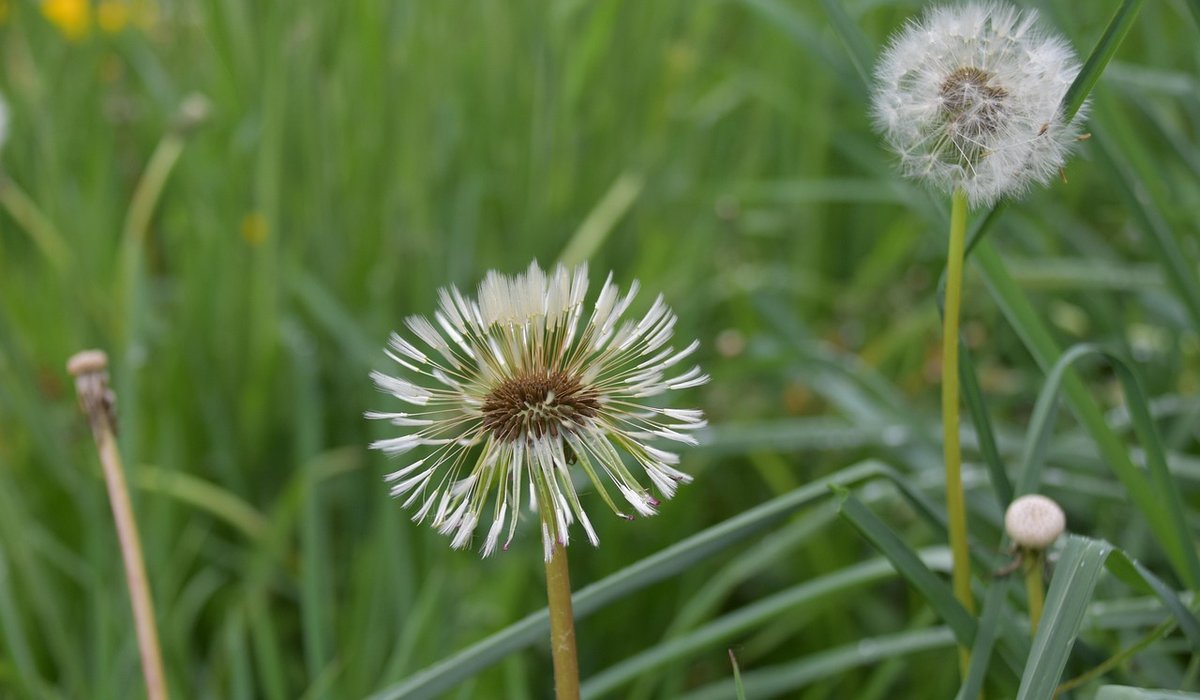
Recognising Common Meadow Wildflowers by Leaf
Why Leaves Matter in a Meadow Garden
By early March, most British wildflower meadows are still a low tapestry of green. The flowers are weeks away, yet the plants are already telling you exactly who they are. Learning to recognise a handful of common meadow wildflowers by their leaves is one of the most useful skills a sustainable gardener can develop. It stops you from hoeing out precious seedlings, helps you judge when to cut or graze, and lets you design with confidence before a single petal opens.
In a wildflower meadow, whether it’s a lawn conversion or a dedicated strip, the rosettes and creeping stems of perennials like ox-eye daisy, common knapweed and birds-foot trefoil are distinct. Once you know them, spring weeding becomes a pleasure rather than a guessing game.
Getting Your Eye In: Shape, Arrangement and Texture
Before focusing on individual species, it helps to run through three simple questions. First, how are the leaves arranged? Are they all rising from one point at ground level (a rosette), or spaced alternately up a stem, or in opposite pairs? Second, what is the leaf shape? Spoon-shaped, lance-shaped, oval, or divided into leaflets? Third, what is the texture and margin? Hairiness, roughness, and whether the edge is smooth, toothed or lobed are all reliable clues.
In early spring, many meadow perennials are in their basal rosette phase. This is the stage when leaves are easiest to see and compare. Spend ten minutes kneeling in your meadow with a hand lens or just your fingertips. You will quickly start to separate the players.
Ox-Eye Daisy: The Spoon-Shaped Rosette
Ox-eye daisy (Leucanthemum vulgare) is the quintessential meadow flower, but before its white petals appear, look for a flat rosette of dark green leaves. The key feature is the spoon shape: each leaf narrows at the base into a stalk, then widens towards a bluntly toothed tip. They are slightly fleshy and hairless, with a distinct midrib. The leaves lie close to the ground, often overlapping, and can reach 10–15 cm long in rich soil.
Because ox-eye daisy spreads by shallow rhizomes, you’ll often find rosettes clustered together. Unlike many weeds, the leaves do not have a strong smell when crushed. If you are sowing a meadow, these rosettes are a sign your seed has taken. If you are weeding, leave them be. In a sustainable design, ox-eye daisy’s deep green rosette provides winter ground cover and feeds early pollinators once it flowers.
Common Knapweed: Rough and Ready
Common knapweed (Centaurea nigra) is a tough, long-lived perennial that thrives in British meadows. Its basal leaves are distinctive: deeply lobed, rather like a dandelion but with a rougher, grey-green finish. The lobes are irregular and pointed, and the whole leaf feels coarse and slightly hairy. As the plant sends up its flowering stem in late spring, the leaves become narrower and less lobed, but the basal rosette remains through winter.
One reliable test is to look at the leaf underside. Knapweed leaves are paler beneath and often have a prominent network of veins. They also tend to grow in a loose, open rosette rather than a tight flat one. In a sustainable garden, knapweed is a star for late-summer nectar, and its sturdy leaves mean it competes well in grass. Knowing its rosette means you won’t mistake it for a creeping thistle or a dock.
Birds-Foot Trefoil: The Three-Leaf Clover
Birds-foot trefoil (Lotus corniculatus) is smaller and more delicate, but no less valuable. Its leaves are compound, typically with five leaflets: three at the tip of the stalk and two at the base, looking like a pair of stipules. The leaflets are oval to lance-shaped, smooth-edged, and a soft blue-green. They often have a slight fold along the midrib and feel thin, not leathery.
In early spring, the plant forms low, sprawling mats. The leaves are arranged alternately along trailing stems, and the whole plant has a fine, airy texture. When not in flower, birds-foot trefoil can be confused with other clovers, but the paired basal leaflets are a good giveaway. It fixes nitrogen, tolerates poor soil, and is brilliant for bees. In a sustainable design, it works beautifully as a living mulch between taller meadow plants.
Designing with Leaves in Mind
Recognising these leaves changes how you manage a meadow. You can spot ox-eye daisy rosettes in February and avoid cutting them when you tidy up. You can tell knapweed from thistle and leave it to flower. You can encourage birds-foot trefoil by not over-fertilising, since it prefers leaner soils.
- Spring weeding: Remove grasses and aggressive weeds, but leave the rosettes of your wildflowers intact.
- Cutting regimes: Wait until late summer to cut, allowing knapweed and ox-eye daisy to set seed. Leave birds-foot trefoil to scramble through the understorey.
- Sowing mixes: Check your seed mix for these species, and learn their seedlings so you can thin or transplant them.
- Sustainable design: Group rosette-forming plants where you want ground cover, and use trailing birds-foot trefoil on edges and slopes.
With a little practice, the green months become as rewarding as the flowering ones. Your meadow will be healthier, your weeding more precise, and your garden richer in wildlife. All from learning to read a few leaves.
tag: Native Plants

James Hargreaves Author
Young meadows need gentle moisture until roots establish, but avoid overwatering and never let seedlings dry out completely.
YOU MAY ALSO LIKE
Watering New Wildflower Sowings During Dry Spells
Jul 12
10Plant evening-scented native flowers and leave some long grass uncut to provide shelter and nectar after dark for moths.
read more
Encouraging Moths and Night-Flying Insects in the Garden
Jul 9
10A simple mulched path defines walking routes, protects delicate plants, and lets you enjoy the meadow without trampling it.
read moreWildflower Meadows
-

ERRIC CATONA
Match mixes to clay, chalk, or sandy ground, and check that they suit your local rainfall and light levels.
May 19, 2016 at 5.12 pm
Reply
ERRIC CATONA
Collect ripe seed on dry days, label paper bags clearly, and store in a cool, dark place until sowing time.
May 19, 2016 at 5.12 pm
Reply -
ERRIC CATONA
Leave gaps in fences, create log piles, and avoid pesticides to make your meadow garden safer for hedgehogs and other creatures.
May 19, 2016 at 5.12 pm
Reply
Garden Design
Your email address will not be published.