
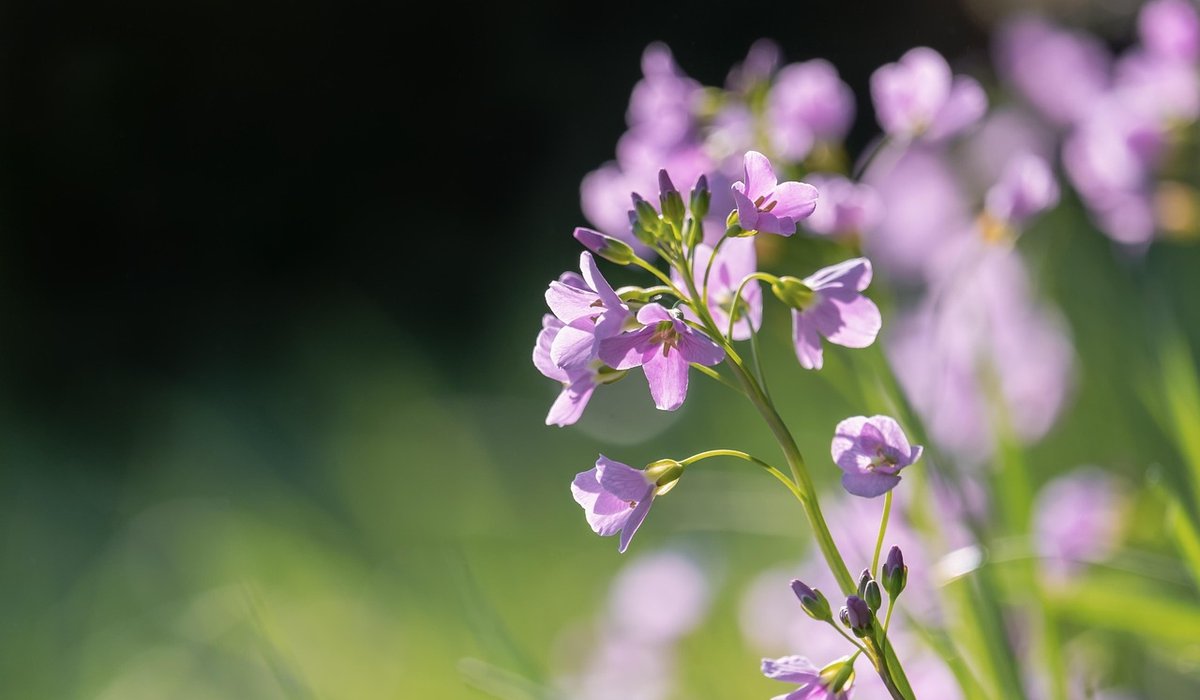
How to Create a Wildflower Meadow from Seed
Why a meadow deserves a place in your garden
A wildflower meadow is one of the most generous things you can plant in a British garden. It feeds bees, butterflies and moths from April through to September, it needs far less watering and mowing than a lawn, and it looks wonderful in that loose, slightly unruly way that suits our climate so well. Best of all, you can raise one from seed for the price of a few packets — provided you get three things right: ground preparation, seed choice, and sowing thinly at the right time of year.
Before you order anything, take an honest look at your patch. Meadows thrive on poor, sunny ground. If your proposed site is shaded by a fence or a mature hedge, or sits on years of enriched lawn soil, the grasses will simply romp away and smother the flowers. Full sun for at least six hours a day is the ideal, and a spot that dries out in summer is a bonus rather than a problem.
Prepare the ground properly
This is the unglamorous stage that decides whether your meadow succeeds, and it is worth a full season if you can spare one. Wildflowers are poor competitors against established grass, docks, nettles and creeping buttercup, so the aim is to arrive at bare, weed-free, low-fertility soil.
- Clear thoroughly. Cut existing vegetation as short as possible, then remove the top layer of turf with a spade or turf-cutter, or smother it with black polythene weighted down for a full growing season.
- Reduce fertility. If the soil is rich — dark, crumbly and full of worms — strip 5–10cm of topsoil and put it on the borders. Alternatively, grow a crop of mustard or annual ryegrass and dig it in before flowering to draw nutrients out, or simply sow yellow rattle first and let it parasitise the grass for a year.
- Create a fine tilth. Fork over the cleared ground to 10–15cm, rake it level, and firm it lightly with your boots. You want a surface like a seedbed in a vegetable plot: crumbly, even and firm enough that your footprints barely show.
- Let the weeds come, then kill them. Water the bare ground and wait two or three weeks. Hoe off or lightly rake out whatever germinates. Repeat once if time allows.
Choose a seed mix that suits your soil
Buy British native seed, ideally of local provenance, and match the mix to your conditions rather than to a pretty photograph. A clay soil in the Midlands wants different plants from chalk downland in Hampshire.
- Perennial meadow mix: the backbone of a long-term meadow. Look for oxeye daisy, common knapweed, field scabious, yarrow, cowslip, meadow buttercup, meadow cranesbill, bird's-foot trefoil, selfheal and red clover, joined by fine grasses such as crested dogstail, red fescue, sweet vernal grass and bent grass.
- Cornfield annuals: cornflower, poppy, corn marigold and corncockle. They flower in the first summer while perennials establish, then fade away. Excellent for a quick, colourful start.
- Yellow rattle: the meadow-maker. This native annual is semi-parasitic on grass roots and weakens vigorous grasses, opening space for flowers. Sow it at around 1g per square metre, and always in autumn — it needs winter cold to germinate.
- Avoid agricultural grasses such as perennial ryegrass and white clover, which are too competitive for a flower meadow.
Sowing thinly, at the right moment
Thin sowing is the single most common mistake. A meadow is not a lawn, and crowded seedlings compete each other into weakness. Aim for roughly 4–5g of mixed seed per square metre, of which only about 20 per cent should be wildflower and the rest fine grass. For a small 10-square-metre patch, that is a generous handful.
Autumn sowing from early September to mid-October is the most reliable, taking advantage of warm soil and autumn rain. Spring sowing from March to mid-April also works, though you may need to water in dry spells and you will see fewer flowers in the first year. Mix your seed with dry sand or fine dry soil at a ratio of about ten parts sand to one part seed — this makes it far easier to spread evenly.
Broadcast in two passes, half the seed walking one way across the plot and half walking at right angles. Then lightly rake, roll or tread the seed in. It needs contact with the soil, not burial: no more than a few millimetres deep.
The first year: water, weed and resist tidying
Keep the seedbed moist for the first six weeks if the weather turns dry, and hand-weed any thuggish invaders such as thistles, docks and nettles while they are small. Beyond that, do as little as possible.
The hardest part is leaving it alone. A first-year meadow often looks scruffy and sparse, with more grass than flower. That is entirely normal. Resist the urge to feed it, and never apply fertiliser or weedkiller. If you sowed cornfield annuals, enjoy them, then cut the plot down in late summer and clear the cuttings away.
Managing your meadow year after year
From the second year onwards, a simple cutting regime is all it needs. Let everything flower and set seed, then cut the whole area in late July or August to around 5–10cm. Rake off the clippings and remove them — leaving them to rot returns nutrients and encourages coarse grass. A second cut in late autumn keeps the sward tight.
If you would rather have flowers for longer, cut half the meadow in midsummer and the other half in early autumn, alternating the halves each year. This staggered approach keeps nectar available and gives seed heads a chance to drop. Over time, yellow rattle, knapweed and oxeye daisy will spread, and you will have a genuine, self-sustaining wildflower meadow — one that gets better with every season you leave it be.
tag: Wildflower Meadows

James Hargreaves Author
Fine grasses such as sheep fescue and crested dogstail support wildflowers without overwhelming them, creating structure and texture.
YOU MAY ALSO LIKE
Choosing Native Grasses for a Balanced Meadow
Sep 19
10Light mowing, removing early weeds, and checking drainage help your meadow wake up without damaging delicate emerging seedlings.
read more
Spring Jobs for a Healthy Wildflower Patch
Sep 14
10This native annual weakens competitive grasses, giving wildflowers more room to establish in established meadows and new sowings.
read moreWildflower Meadows
-

ERRIC CATONA
Cut once after seed set, remove clippings to lower fertility, and leave areas of uncut stems for overwintering insects and wildlife.
May 19, 2016 at 5.12 pm
Reply
ERRIC CATONA
Even a compact plot can host a mini meadow using containers, raised beds, or a sunny border left unmown through summer.
May 19, 2016 at 5.12 pm
Reply -
ERRIC CATONA
Plug plants establish faster than seed and let you place species precisely, ideal for filling gaps in young meadows.
May 19, 2016 at 5.12 pm
Reply
Garden Design
Your email address will not be published.