

Planting Wildflower Plugs for Quick Colour
Why Plugs Beat Seed in a Young Meadow
Sowing a wildflower meadow from seed is one of the most satisfying things you can do in a British garden, but it is also an exercise in patience. Seed needs consistent moisture, warm soil and a stretch of weather that does not turn nasty just as germination begins. In a small garden, where every square metre matters, that gamble can leave you staring at bare earth for months.
Plug plants solve most of those problems. A plug is a young plant with an established root system, raised in a nursery and ready to go straight into the ground. It does not depend on a lucky fortnight of rain, it will not be eaten by slugs overnight quite so easily, and it lets you decide exactly where each species grows. If you want ox-eye daisies framing a path and field scabious drifting through the middle, you can simply put them there.
The trade-off is cost. Plugs are more expensive per plant than a packet of seed, so most gardeners use them as a companion to sowing rather than a replacement. The trick is to use plugs strategically: to fill gaps, to introduce species that are slow or unreliable from seed, and to give a young meadow a visible lift in its first summer.
Matching Species to Your Soil and Light
Before you order anything, spend ten minutes assessing your site. Most British wildflowers want an open, sunny position and soil that is not too rich. Fertile, freshly manured ground grows lush grass that swamps delicate perennials, so if your soil is heavy and hungry, consider stripping the top layer or planting into a poorer strip along a boundary.
As a rough guide for a sunny border or meadow patch:
- Clay or loam, moisture retentive: ragged robin, meadow buttercup, great burnet, devil's-bit scabious, purple loosestrife.
- Free-draining, sandy or chalky: field scabious, wild carrot, lady's bedstraw, salad burnet, small scabious, wild marjoram.
- Light shade or woodland edge: red campion, foxglove, wood avens, greater stitchwort.
- Reliable colour in year one: ox-eye daisy, cowslip, yarrow, selfheal, bird's-foot trefoil, common knapweed.
If grass is your enemy, add yellow rattle. This native annual is a partial parasite on grass roots and will quietly thin the sward, opening space for wildflowers. It is best introduced as seed in autumn, but plugs of yellow rattle are available and can be planted alongside your other species.
Timing and Technique
In Britain, the two best windows for planting plugs are early spring, from March to mid-May, and early autumn, from September to mid-October. Spring planting gives plants the whole growing season to root before winter, while autumn planting lets them settle while the soil is still warm. Avoid planting during a dry spell in July, and avoid waterlogged or frozen ground.
Planting itself is simple but worth doing properly:
- Water the plugs thoroughly an hour before planting, ideally by standing them in a tray of water.
- Clear a small area of competing grass and weeds around each planting spot.
- Make a hole with a dibber or trowel, deep enough that the rootball sits with its top level with the soil surface.
- Firm the soil gently around the roots, then water in well.
Spacing depends on the effect you want. For quick coverage in a new meadow, plant 20–30cm apart in groups. For a more natural, slower-gelling community, allow 30–45cm and let the plants knit together over two or three seasons.
Designing with Drifts, Not Dots
The biggest mistake with plugs is planting them in single, isolated dots. A lone cowslip looks lost; twelve cowslips grouped together look intentional. Wildflowers in nature cluster where conditions suit them, so mimic that by planting in drifts and ribbons of five to fifteen plants.
Vary the size of your drifts and repeat them across the space. A ribbon of ox-eye daisies running through the middle of a meadow, echoed by a smaller patch near the edge, reads as a designed whole rather than a random scatter. Think about succession too: cowslips and primroses flower early, knapweed and scabious carry the meadow through midsummer, and devil's-bit scabious keeps colour going into September.
First-Year Aftercare
Plugs need a little coddling in their first few weeks. Water them during dry spells, giving a good soak once a week rather than a daily sprinkle. Once established, most native perennials are drought-tolerant and should be left to fend for themselves.
Slugs and snails can graze young foliage, so set beer traps, use barrier methods or apply a nematode treatment in mild, damp weather. Keep the area around each plug free of aggressive weeds such as couch grass and dock for the first season. If you are managing a meadow, cut the surrounding grass once in late summer to about 5–7cm and remove the clippings. This reduces fertility over time, which is exactly what wildflowers want.
Weaving Plugs into a Sustainable Garden Plan
Wildflower plugs fit naturally into a wider sustainable approach. Choose plants of British native provenance where you can, as they support local pollinators and are adapted to our rainfall and soils. Use peat-free growing media, harvest rainwater for watering in, and avoid pesticides entirely — a healthy meadow will attract ladybirds, hoverflies and lacewings that do the pest control for you.
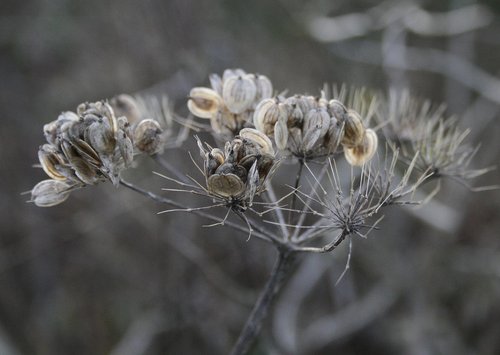
Leave seedheads standing through winter to feed birds and provide shelter for insects, then cut and compost in early spring. Over a few seasons, your plugs will seed themselves around, and the meadow will begin to edit itself — the strongest plants finding the spots that suit them, and the gaps you filled by hand slowly closing over. That is the quiet reward of planting plugs: not just quick colour, but a living community that keeps on giving.
tag: Native Plants

Eleanor Whitcombe Author
Spot removal, timely mowing, and avoiding fertiliser keep invasive plants in check while protecting the wildflowers you want.
YOU MAY ALSO LIKE
Managing Weeds Without Harming Meadow Flowers
Aug 22
10Aerating, adding organic matter, and choosing resilient native species helps clay soils support a diverse meadow over time.
read more
Improving Clay Soil for Meadow Planting
Aug 19
10Linking small patches of nectar-rich flowers helps bees, butterflies, and hoverflies move safely between gardens and green spaces.
read moreWildflower Meadows
-

ERRIC CATONA
Sharp shears, a sturdy rake, and a reliable scythe make light work of cutting, clearing, and caring for wildflower areas.
May 19, 2016 at 5.12 pm
Reply
ERRIC CATONA
Corncockle, cornflower, and poppy provide fast colour while slower perennial meadow plants establish beneath them in a new meadow patch.
May 19, 2016 at 5.12 pm
Reply -
ERRIC CATONA
Choose open, single-petalled flowers with long flowering seasons, and provide shallow water and undisturbed nesting spots nearby for bees.
May 19, 2016 at 5.12 pm
Reply
Garden Design
Your email address will not be published.