

Creating Pollinator Pathways Through Neighbourhood Gardens
Why a Patchwork of Gardens Beats One Perfect Meadow
The average British garden is small, and that is exactly why pollinator pathways matter. A bee foraging for pollen and nectar will travel a few hundred metres from her nest, but she needs to find food at every stage of that journey. A single richly planted garden, however lovely, is a pit stop rather than a route. Link it with the borders, verges, window boxes and allotments around it, and you create something far more valuable: a green corridor that lets bees, butterflies and hoverflies move through a neighbourhood safely.
Think of your plot as one tile in a mosaic. You do not need a wildflower meadow to be useful. A metre-wide strip of nectar-rich flowers along a fence can be the stepping stone that connects one garden to the next.
Choosing Plants That Really Feed Pollinators
Not all flowers are equal. Many highly bred ornamentals have been selected for colour and shape at the expense of nectar, and double blooms often hide their stamens behind layers of petals so that insects cannot reach them. Single, open flowers are almost always the better choice.
- Native wildflowers: oxeye daisy, common knapweed, field scabious, bird's-foot trefoil, red clover, meadow cranesbill, yarrow and viper's bugloss.
- Culinary herbs: borage, marjoram, thyme, chives and fennel are generous nectar sources and useful in the kitchen.
- Shrubs and trees: hawthorn, wild cherry, crab apple and hazel give early pollen, while ivy provides a late-autumn lifeline.
Match the flower to the visitor. Long-tongued bumblebees favour deep, tubular blooms such as foxglove, comfrey and deadnettle. Hoverflies and short-tongued bees need shallow, flat-topped flowers they can land on easily — yarrow, fennel, dill and wild carrot are ideal. Plant a mixture and you feed a wider cast of characters.
Making Room for a Meadow, However Small
You do not need half an acre. A strip of lawn left to grow, a corner behind the shed, or even a large container can all become a mini-meadow.
- Lawn strip: mark out a metre-wide band, stop mowing, and plant native plugs in autumn. Yellow rattle, sown at the same time, weakens grass and gives wildflowers room to breathe.
- Containers: use a pot at least 45cm deep and wide. Cornfield annuals — cornflower, poppy, corn marigold — flower within weeks of a spring sowing and are perfect for a first attempt.
- Front garden and verge: a low gravel bed or dry-stone edge planted with thyme, selfheal and wild marjoram needs little water and looks after itself.
Whatever you choose, cut perennial meadows once in late summer, then again in early spring if the grass has thickened. Always remove the cuttings. This keeps fertility low, which is what wildflowers want, and prevents the grasses from taking over.
Designing for a Long Season of Nectar
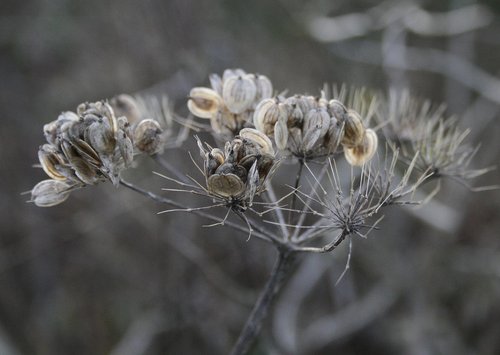
Pollinators need food from February to November, so plan for succession rather than a single flush. Aim to have something in flower in every month of the growing season, and leave seedheads standing through winter for birds and hibernating insects.
- Early spring: crocus, lungwort, comfrey and fruit blossom, plus dandelions and deadnettle if you can tolerate them.
- Early summer: knapweed, scabious, lavender, borage and cranesbill.
- Late summer and autumn: asters, ice plant, hemp agrimony, marjoram and ivy.
Ivy is often dismissed as a nuisance, but a mature patch flowering in October can feed hundreds of hoverflies, bees and the occasional red admiral. Let a section climb a wall or fence and cut it back only if it threatens mortar or guttering.
Joining Up With Neighbours and the Street
A pathway only works if the stepping stones connect. Check your boundaries for gaps — a 13cm hole at the base of a fence is enough for a hedgehog and helps ground-level insects travel too. Talk to neighbours over the wall about what you are planting, and swap seeds or spare plugs. Shared boundary hedges planted with hawthorn, blackthorn and hazel become both a shelter and a food source.
Beyond the garden gate, churchyards, allotment edges, school grounds and roadside verges are all potential links. A quiet word with the parish council or housing manager about leaving a verge unmown until late July can turn a short, tidy strip into a valuable corridor. Even a few pots outside a front door add to the chain.
Small Sustainable Habits That Make a Difference
The gentlest garden is often the most generous. Avoid pesticides entirely — even a single spray can remove the aphids that hoverfly larvae and blue tits depend on. Choose peat-free compost, collect rainwater, and mulch with your own compost or leaf mould.
Leave a few untidy corners. Bare, sunny patches of soil suit ground-nesting solitary bees, while a small log pile or bundle of hollow stems gives shelter over winter. Resist the urge to cut everything back in autumn; seedheads and stems provide food and hibernation sites, and they look beautiful in low winter light.
Finally, be patient. A new meadow often looks sparse in its first year and spectacular in its third. Sow, wait, and watch the pathway fill with wings.
tag: Pollinators

Eleanor Whitcombe Author
Sharp shears, a sturdy rake, and a reliable scythe make light work of cutting, clearing, and caring for wildflower areas.
YOU MAY ALSO LIKE
Best Hand Tools for Meadow Maintenance
Aug 12
10Corncockle, cornflower, and poppy provide fast colour while slower perennial meadow plants establish beneath them in a new meadow patch.
read more
Sowing Cornfield Annuals for First-Year Interest
Aug 7
10Choose open, single-petalled flowers with long flowering seasons, and provide shallow water and undisturbed nesting spots nearby for bees.
read moreWildflower Meadows
-

ERRIC CATONA
Include nectar plants for adults and caterpillar food plants such as nettles and grasses to support the full life cycle.
May 19, 2016 at 5.12 pm
Reply
ERRIC CATONA
Combine loose drifts of wildflowers with clipped evergreens and gravel paths to create a relaxed, wildlife-friendly garden edge.
May 19, 2016 at 5.12 pm
Reply -
ERRIC CATONA
Observe which species bloom first, when grasses set seed, and how rainfall shapes growth to guide your yearly management.
May 19, 2016 at 5.12 pm
Reply
Garden Design
Your email address will not be published.