

Designing a Small Meadow in a Town Garden
A Meadow Anywhere: Small Spaces, Big Impact
You do not need an acre of chalk downland to enjoy a wildflower meadow. A patch of lawn the size of a dining table, two deep containers beside a sunny wall, or a raised bed on a patio can all carry a genuinely lovely summer display — and feed bees, butterflies and hoverflies while they are at it. In a town garden the trick is to think in terms of concentrated impact rather than scale: fewer square metres, but far more flowers in each of them.
A mini meadow also suits the way most of us garden now. Once established it needs less watering than a bedding scheme, no feeding at all, and a cutting regime you can manage with shears and a garden sack. What it does need is the right spot, the right plants, and a little patience in the first season.
Choosing Your Spot and Preparing the Ground
Light decides everything. Wildflowers want at least six hours of direct sun, so a south or west-facing border, a sunny front garden or a balcony that catches the afternoon will always outperform a shaded corner. If part shade is all you have, lean towards red campion, foxglove, wood anemone and greater stitchwort rather than the sun-lovers.
Just as important, avoid the richest soil in the garden. Meadow plants thrive on low fertility; feed them and you get floppy, leafy growth with few flowers and a sward that collapses in the first downpour. If your soil is dark, crumbly and full of worms, either grow in containers or lift the top 5–10cm of turf and replace it with a leaner mix of subsoil and grit.
Before sowing or planting anything, clear perennial weeds properly. Couch grass, bindweed, dock, nettle and ground elder will out-compete young wildflowers every time. Dig, smother with cardboard and mulch for a season, or use a raised bed with a membrane base — whatever it takes to start clean.
Containers and Raised Beds: The Tidiest Route
For paved courtyards and small patios, containers are the most controllable option and the easiest to keep looking deliberate.
- Choose wide, shallow planters at least 30cm deep — half-barrels, troughs, or a simple timber raised bed.
- Use a lean mix: two parts soil-based compost to one part horticultural grit or sharp sand. Avoid rich multipurpose compost.
- Drill generous drainage holes and stand pots on feet so water never sits.
- Top the surface with a 1cm layer of gravel to hold moisture and deter weeds.
- Plant plugs rather than seed in containers — five to nine per square metre, planted in autumn or early spring.
Water regularly through the first summer, then only in genuine drought. From the second year the plants will have knitted together and will look after themselves.
Turning a Lawn or Border into Meadow
If you already have a lawn, the simplest approach is to stop mowing a clearly defined shape from March and let it grow. Be warned: a lush ryegrass lawn will flop and smother everything. Weaken it first by scarifying hard in autumn, then either sow yellow rattle (Rhinanthus minor) — a native annual that parasitises grass roots and thins the sward — or plant plugs directly into the existing grass after cutting it very short.
Yellow rattle needs a cold spell to germinate, so sow it in September or October and expect results in the second season. In a border, clear the ground as above and plant plugs at five to nine per square metre; they establish far more reliably than seed in a small plot.
Whatever you do, keep a mown strip 10–15cm wide around the edge. It frames the planting, keeps paths usable and makes the whole thing read as intentional rather than neglected.
Plants That Earn Their Place
In a small meadow, invert the usual seed-mix ratio. Large sowings are typically 80 per cent grass to 20 per cent flowers; in a town garden, aim closer to 80 per cent flowers and 20 per cent fine grasses such as red fescue, crested dog's-tail or sweet vernal grass, or skip grass altogether in containers.
- Structural perennials: ox-eye daisy, common knapweed, field scabious, betony, musk mallow.
- Low growers: selfheal, wild marjoram, bird's-foot trefoil, lady's bedstraw, yarrow.
- Spring interest: cowslip, snakeshead fritillary and wild daffodil bulbs planted in autumn.
- First-year colour: cornflower, corn marigold and field poppy, sown as an annual flash while perennials settle.
Buy seed of British native origin where you can, and check the species list — cheap mixes often contain agricultural grasses that will swamp everything else.
The Cutting Regime That Keeps It Going
This is the part people get wrong. Cut the main meadow in late July to mid-August, down to about 5–7cm. Leave the cuttings lying for three to seven days so seed can drop, then rake everything off. Removing the arisings is what keeps fertility low, and it matters more than any other single job.
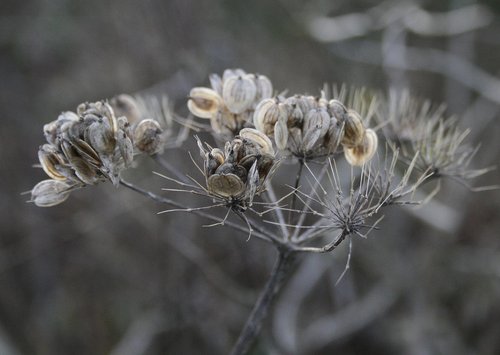
Take a second cut in October, again clearing the debris. Leave seed heads and hollow stems standing through winter — they feed birds and shelter overwintering insects — then cut back to 10cm in March before growth restarts.
For a longer season and more wildlife value, try a mosaic: cut half the area in July and the other half in September. You keep flowers going well into autumn, and there is always somewhere for invertebrates to hide. Top up with fresh plugs or a light scattering of seed each autumn, and your town meadow will quietly improve year on year.
tag: Small Gardens

Oliver Pemberton Author
Plug plants establish faster than seed and let you place species precisely, ideal for filling gaps in young meadows.
YOU MAY ALSO LIKE
Planting Wildflower Plugs for Quick Colour
Aug 28
10Spot removal, timely mowing, and avoiding fertiliser keep invasive plants in check while protecting the wildflowers you want.
read more
Managing Weeds Without Harming Meadow Flowers
Aug 22
10Aerating, adding organic matter, and choosing resilient native species helps clay soils support a diverse meadow over time.
read moreWildflower Meadows
-

ERRIC CATONA
Linking small patches of nectar-rich flowers helps bees, butterflies, and hoverflies move safely between gardens and green spaces.
May 19, 2016 at 5.12 pm
Reply
ERRIC CATONA
Sharp shears, a sturdy rake, and a reliable scythe make light work of cutting, clearing, and caring for wildflower areas.
May 19, 2016 at 5.12 pm
Reply -
ERRIC CATONA
Corncockle, cornflower, and poppy provide fast colour while slower perennial meadow plants establish beneath them in a new meadow patch.
May 19, 2016 at 5.12 pm
Reply
Garden Design
Your email address will not be published.