
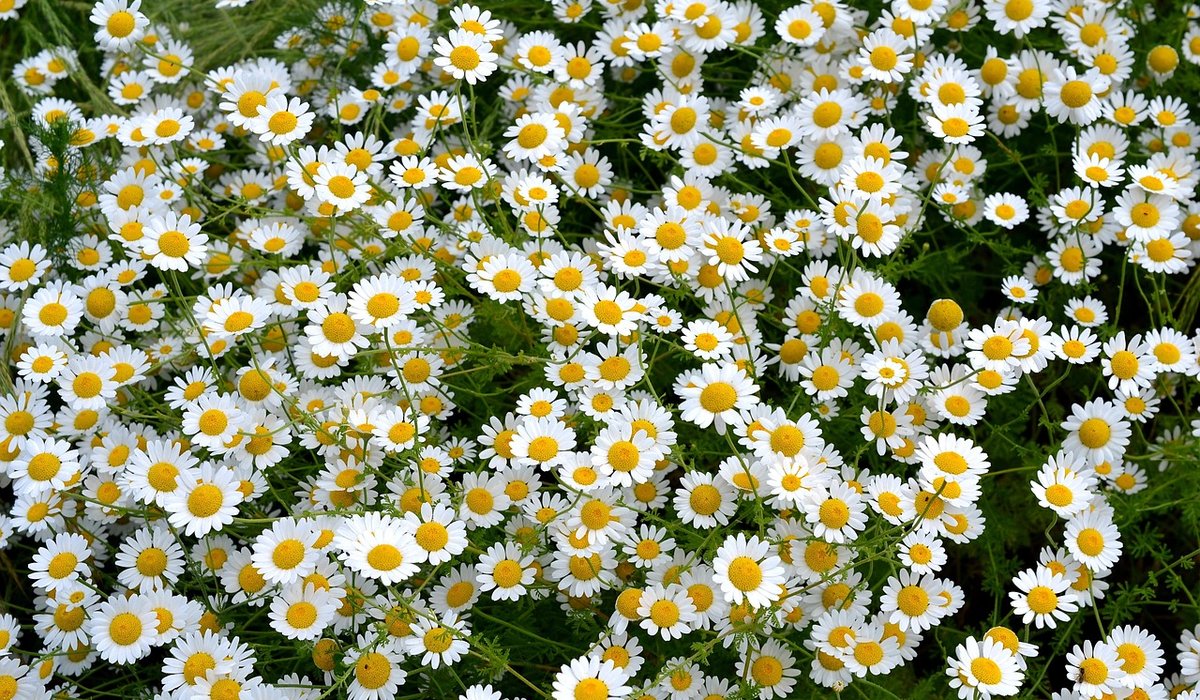
Using Yellow Rattle to Reduce Grass Vigour
What Yellow Rattle Actually Does
Yellow rattle (Rhinanthus minor) is a native annual wildflower with lemon-yellow, hooded flowers and dry seed pods that rattle when you shake them in late summer. It looks modest, but underground it is doing something remarkable. Its roots seek out the roots of neighbouring grasses and form connections to them, drawing water and nutrients directly from the grass plants. Botanists call this hemiparasitism, and in a British garden it is one of the most useful tools you can have.
The effect on vigorous grasses is dramatic. Ryegrass, cock’s-foot, Yorkshire fog and timothy all lose strength, tiller less and grow shorter. That thinning opens up light and space at ground level, which is exactly what wildflowers need. Without some way of checking grass, a meadow sowing usually collapses into a green mat within two or three seasons, however carefully you manage it.
Why It Matters in a Wildflower Meadow
Traditional hay meadow management, cutting in July and taking the hay away, does reduce soil fertility over time. But it can take a decade to really shift vigorous grass, and most of us would rather not wait. Yellow rattle accelerates that process considerably.
- It weakens competitive grasses within a single growing season.
- It creates gaps for slower, finer wildflowers to establish.
- It supports bumblebees, which visit it heavily for pollen.
- It is a native annual, so it fits naturally into a British meadow community.
Think of it as a nurse species with a purpose. Once the grasses are thinned and your wildflowers are settled, yellow rattle may reduce in numbers, which is a sign the job is done.
Sowing Into Existing Grass
This is where yellow rattle earns its keep. If you have a lawn, rough paddock corner or grassy orchard that you want to turn into a meadow, you do not need to strip the turf and start again.
Timing matters. Sow from late August to the end of October, using seed from that year’s crop. Yellow rattle seed needs a period of cold and damp to germinate, so autumn sowing gives it exactly that. Spring sowing is possible with pre-chilled seed, but results are patchier.
Prepare like this:
- Mow the grass as short as your mower will go, ideally 2–3cm, and remove all clippings.
- Scarify or rake hard until you see bare soil between the grass plants. Yellow rattle needs seed-to-soil contact.
- Sow at 0.5–1g per square metre. Scatter thinly and evenly; it is far better to undersow than to create a dense patch that competes with itself.
- Lightly rake again, then firm the surface by treading or rolling. Do not bury the seed deeply, no more than a few millimetres.
In the following spring, mow once in May or early June to keep the grass open, then leave it alone until the rattle has flowered and set seed.
Sowing Alongside a New Meadow
If you are sowing a wildflower meadow from scratch, yellow rattle can go in with the main mix in the first autumn, at roughly 1–2g per square metre. Mix it with dry sand or fine compost so you can see where it lands. On richer ground, some gardeners sow a nursery crop of cornfield annuals such as cornflowers and poppies first, then introduce yellow rattle in year two once the annuals have been cut and removed.
Either way, the principle is the same: yellow rattle belongs in the early years, while the grasses are still thuggish.
Managing the Meadow Once It’s Away
Yellow rattle is an annual, so it must set seed every summer to return. The seed drops naturally in July, which settles your cutting date.
- Cut in mid to late July, or early August at the latest, once the pods have rattled and seed has fallen.
- Cut to 5–7cm and remove every clipping. Leaving them adds fertility and undoes the whole point.
- If growth is still strong, take a second cut in September or October.
- Do not mow between May and mid-July. That is the flowering window for rattle and most meadow flowers.
- Avoid fertiliser, manure, compost and lawn feeds completely.
Light grazing with sheep or ponies over winter works well in larger gardens and mimics traditional management.
When Yellow Rattle Doesn’t Take
Failure is usually about conditions rather than bad luck. The usual culprits are:
- Seed buried too deeply, or sown onto dense, unraked turf.
- Old seed. Yellow rattle loses viability quickly, so buy fresh and sow within the season.
- Very fertile soil, especially old vegetable beds or heavily fed lawns.
- Deep shade, or heavy clay that sits waterlogged through winter.
- Very dominant ryegrass, which may need two or three attempts.
Give it two or three years before judging. If the rattle thins out and disappears while fine wildflowers thrive, take it as a compliment: the grasses have been reduced enough that it has worked itself out of a job.
tag: Wildflower Meadows

James Hargreaves Author
Cut once after seed set, remove clippings to lower fertility, and leave areas of uncut stems for overwintering insects and wildlife.
YOU MAY ALSO LIKE
Autumn Cutting Routine for Meadow Management
Sep 7
10Even a compact plot can host a mini meadow using containers, raised beds, or a sunny border left unmown through summer.
read more
Designing a Small Meadow in a Town Garden
Sep 2
10Plug plants establish faster than seed and let you place species precisely, ideal for filling gaps in young meadows.
read moreWildflower Meadows
-

ERRIC CATONA
Spot removal, timely mowing, and avoiding fertiliser keep invasive plants in check while protecting the wildflowers you want.
May 19, 2016 at 5.12 pm
Reply
ERRIC CATONA
Aerating, adding organic matter, and choosing resilient native species helps clay soils support a diverse meadow over time.
May 19, 2016 at 5.12 pm
Reply -
ERRIC CATONA
Linking small patches of nectar-rich flowers helps bees, butterflies, and hoverflies move safely between gardens and green spaces.
May 19, 2016 at 5.12 pm
Reply
Garden Design
Your email address will not be published.