
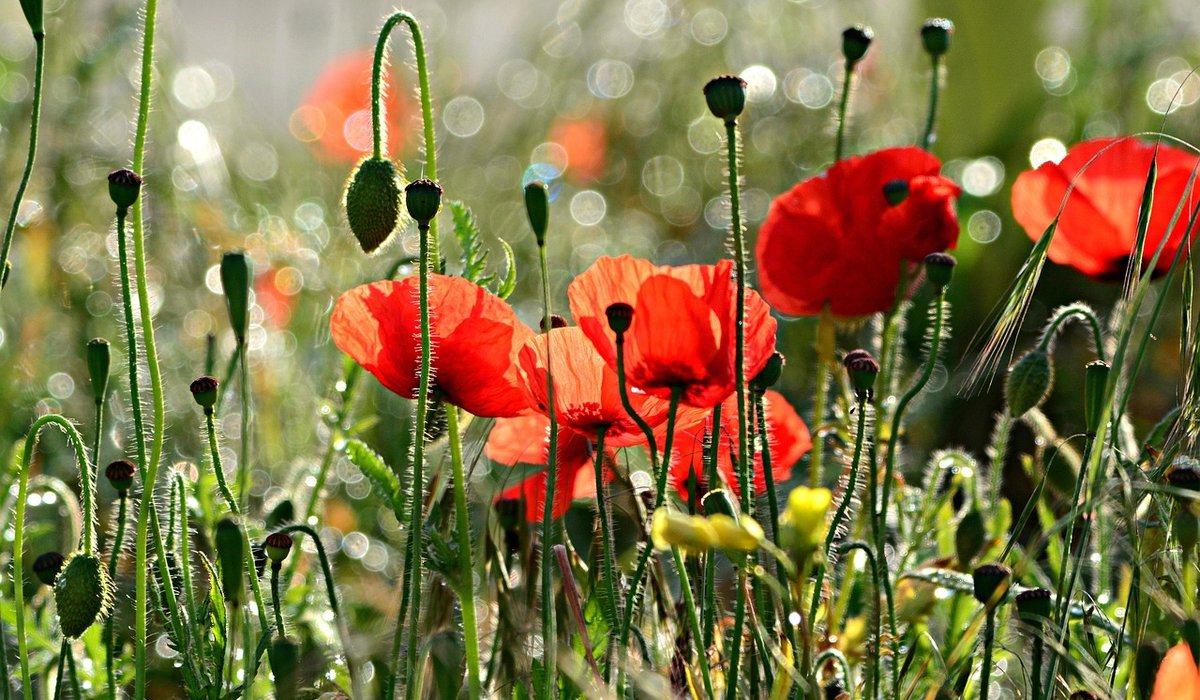
Spring Jobs for a Healthy Wildflower Patch
There is a moment in early spring when a wildflower patch looks more like a scruffy lawn than a meadow. The grass has started, the ground is soft and squelchy underfoot, and it is tempting to get out there with the mower and tidy everything up. Please don't. At this stage your meadow is doing its most delicate work of the year: germinating seed, pushing up rosettes, and deciding which plants will dominate for the season ahead. A little thoughtful intervention now pays you back tenfold in June and July.
These are the jobs worth doing in March and April, in the order that matters most.
Start by Looking, Not Cutting
Before you touch a tool, spend a week or two simply walking the patch. Early spring is the easiest time of year to learn your meadow, because the plants you want are visible as flat rosettes close to the ground — oxeye daisy, knapweed, field scabious, betony and cowslip all sit low and green before they shoot. Getting to know these shapes now means you will not mistake them for weeds later.
While you are out there, take note of:
- How wet the ground is after a few days of rain, and where water lingers longest.
- Where the bare patches are, and whether they are bare soil, moss, or smothered by coarse grass.
- Which grasses are running away — rye, cocksfoot and Yorkshire fog are the usual bullies in a young meadow.
- How much of your patch is actually flowering plants rather than grass. A healthy meadow is roughly half and half.
The First Cut: Light, Late and Lifted
If your meadow grew long last summer and was cut in autumn, it will not need mowing yet. Hold off until you can see 5–8cm of fresh growth, usually late March in the south and mid-April further north. Frost is the real risk: cut too early and a cold snap will check the new growth badly.
When you do cut, set a rotary mower to its highest setting — around 50–75mm — and work on a dry day with a dry forecast behind it. The aim is to knock back the grass without scalping the rosettes underneath. A few specifics:
- Collect every clipping. Leaving them to rot feeds the grass and starves your wildflowers. This single habit does more for a meadow than any seed mix.
- Never mow the whole patch at once. Cut in strips or blocks and leave a third standing for a fortnight longer, so emerging insects always have somewhere to go.
- Use hand shears or a scythe on small patches, around log piles and along the edges where the mower cannot reach cleanly.
- Avoid heavy roller mowers and never mow when the ground is waterlogged — compaction is far harder to fix than long grass.
Weeding Early, While It Is Easy
Early spring weeding is gentle work, because the plants you are removing are small and the roots come up cleanly from damp soil. Target the thugs: creeping buttercup, docks, thistles, nettles, couch grass, bramble and ragwort. Pull ragwort whole, roots and all, wearing gloves, and get it before it bolts — it is far easier now than in July.
Work with a hand fork rather than a spade, and never dig the whole patch over. Turning the soil simply wakes the dormant seed bank and hands the advantage straight back to the weeds. Slip the fork under each offender, loosen, and lift. Sit the pulled material in a bucket rather than dropping it on the ground, where creeping buttercup will happily root again.
Do not be too brutal about plants you are unsure of. If a rosette could be cowslip or could be a weed, leave it a fortnight and check again — the flowers will tell you soon enough.
Checking Drainage Before the Wet Spells End
Poor drainage is the quiet killer of British wildflower patches. Wildflowers want moisture, but roots sitting in standing water through spring will rot, and the moss and rushes that move in will crowd everything else out.
The fix depends on the problem:
- Compacted clay: push a garden fork in to about 15–20cm at intervals of a spade's width, wiggle it, and brush sharp grit or horticultural sand into the holes. This "spiking" is slow work but very effective on small patches.
- A genuinely wet hollow: dig a shallow, gently sloping swale and plant it with ragged robin, meadowsweet or purple loosestrife. Turn the problem into a feature rather than fighting it.
- Compaction from foot traffic: lay a plank down and step on that instead. Repeated treading on wet soil does more damage than most gardeners realise.
Resist the urge to improve wet ground with compost or topsoil. Fertility and damp together produce exactly the rank grass you are trying to get rid of.
Filling Gaps Without Smothering Seedlings
Small bare patches are an opportunity. In spring, plant native plug plants — knapweed, betony, field scabious, oxeye daisy or bird's-foot trefoil — into cleared spots, water them in well, and give them a light scatter of grit to deter slugs. Keep the surrounding grass trimmed short around each plug for the first few weeks so it does not shade them out.
If you sowed yellow rattle last autumn, look for its seedlings now and simply leave them alone. They need a cold spell to germinate, so if it has not appeared, do not panic — plan to sow again in September. Yellow rattle is the single best tool for weakening grass in a meadow, and it is worth patience.
Finally, keep your own feet off the tenderest ground. Emerging seedlings are easily crushed, and a few well-placed boards or a mown path will let you enjoy the patch all spring without flattening what is coming through underneath.
tag: Seasonal Tasks

Sophie Ainsworth Author
This native annual weakens competitive grasses, giving wildflowers more room to establish in established meadows and new sowings.
YOU MAY ALSO LIKE
Using Yellow Rattle to Reduce Grass Vigour
Sep 9
10Cut once after seed set, remove clippings to lower fertility, and leave areas of uncut stems for overwintering insects and wildlife.
read more
Autumn Cutting Routine for Meadow Management
Sep 7
10Even a compact plot can host a mini meadow using containers, raised beds, or a sunny border left unmown through summer.
read moreWildflower Meadows
-

ERRIC CATONA
Plug plants establish faster than seed and let you place species precisely, ideal for filling gaps in young meadows.
May 19, 2016 at 5.12 pm
Reply
ERRIC CATONA
Spot removal, timely mowing, and avoiding fertiliser keep invasive plants in check while protecting the wildflowers you want.
May 19, 2016 at 5.12 pm
Reply -
ERRIC CATONA
Aerating, adding organic matter, and choosing resilient native species helps clay soils support a diverse meadow over time.
May 19, 2016 at 5.12 pm
Reply
Garden Design
Your email address will not be published.