
Slot Volatility, Poker Tells, and the Real Math of Betting
Most gamblers lose money for one boring reason: they never bother to learn what the numbers actually say. They chase jackpots on penny slots, bet parlays because the payout looks sexy, and sit at poker tables wondering why the same guy keeps stacking chips. The gap between a recreational player and someone who grinds out a small edge isn't luck. It's understanding the mechanics underneath the flashing lights.
This isn't a lecture about quitting. It's a breakdown of how iGaming actually works, from the volatility of slots to the psychology of betting markets, so you can make decisions that match your bankroll and your temperament instead of your gut. Take a look at สล็อตเว็บตรง for a fuller picture.
Slot Volatility: The Number Casinos Don't Put on the Marquee
Every slot machine has a theoretical return to player, usually somewhere between 92% and 97%. That number tells you what the machine pays back over millions of spins. What it doesn't tell you is how those payouts are distributed. That's volatility, and it changes everything about how you should play.
A low-volatility slot like Starburst pays small amounts frequently. You can sit there for an hour with a $50 bankroll and still be playing. A high-volatility monster like San Quentin or Money Train 3 might eat 300 spins without a single meaningful hit, then dump 2,000x your stake in one bonus round. Neither is better. They're just different animals.
- Low volatility: frequent small wins, ideal for long sessions on a tight budget.
- Medium volatility: the compromise, decent hit frequency with occasional 100x+ payouts.
- High volatility: brutal dry spells, huge upside, requires a bankroll of at least 200–300 spins.
Here's the practical rule: divide your session bankroll by the bet size. If you've got $100 and you're betting $1 a spin, you have 100 spins of runway. On a high-volatility game, that's not enough. You'll bust before the bonus hits in most sessions. Drop to $0.20 spins or pick a lower-volatility title.
RTP, House Edge, and Why Progressive Jackpots Are a Trap
Progressive jackpots look irresistible. A $4 million prize on a $1 spin? Sign me up. But the math is ugly. Slot manufacturers fund progressives by shaving the base game RTP. A standard slot might return 96%. The same game with a progressive attached often returns 88–92% on the base game, with the difference feeding the jackpot meter.
You're essentially paying an extra tax for a lottery ticket with odds that would make a Powerball player wince. Some progressives require a max bet to qualify, which means you're risking $5 or $10 per spin for a shot at a prize that might be won by someone in another country before you ever hit it.
None of this means you should never play them. It means you should play them for entertainment, not as a strategy. If you want the best mathematical shot, stick to high-RTP base games. Blood Suckers at 98% and 1429 Uncharted Seas at 98.6% are better bets than any progressive.
Poker Tells That Actually Matter (Hint: It's Not the Face)
Hollywood ruined poker tells. Everyone thinks they need to watch for a twitch or a lip bite. In reality, the most reliable tells are betting patterns and timing, not physical quirks.
Here are the tells that actually hold up in live and online games:
- Snap-calling: A player who calls instantly on a wet board usually has a draw or a weak pair. Strong hands often pause to consider raising.
- Bet sizing tells: A player who suddenly downsizes their bet on the river is often bluffing or blocking. A player who overbets the pot on a dry board usually has the goods.
- Timing in online poker: Long tanks followed by min-raises on the river are frequently bluffs. Instant checks on scary boards are often traps.
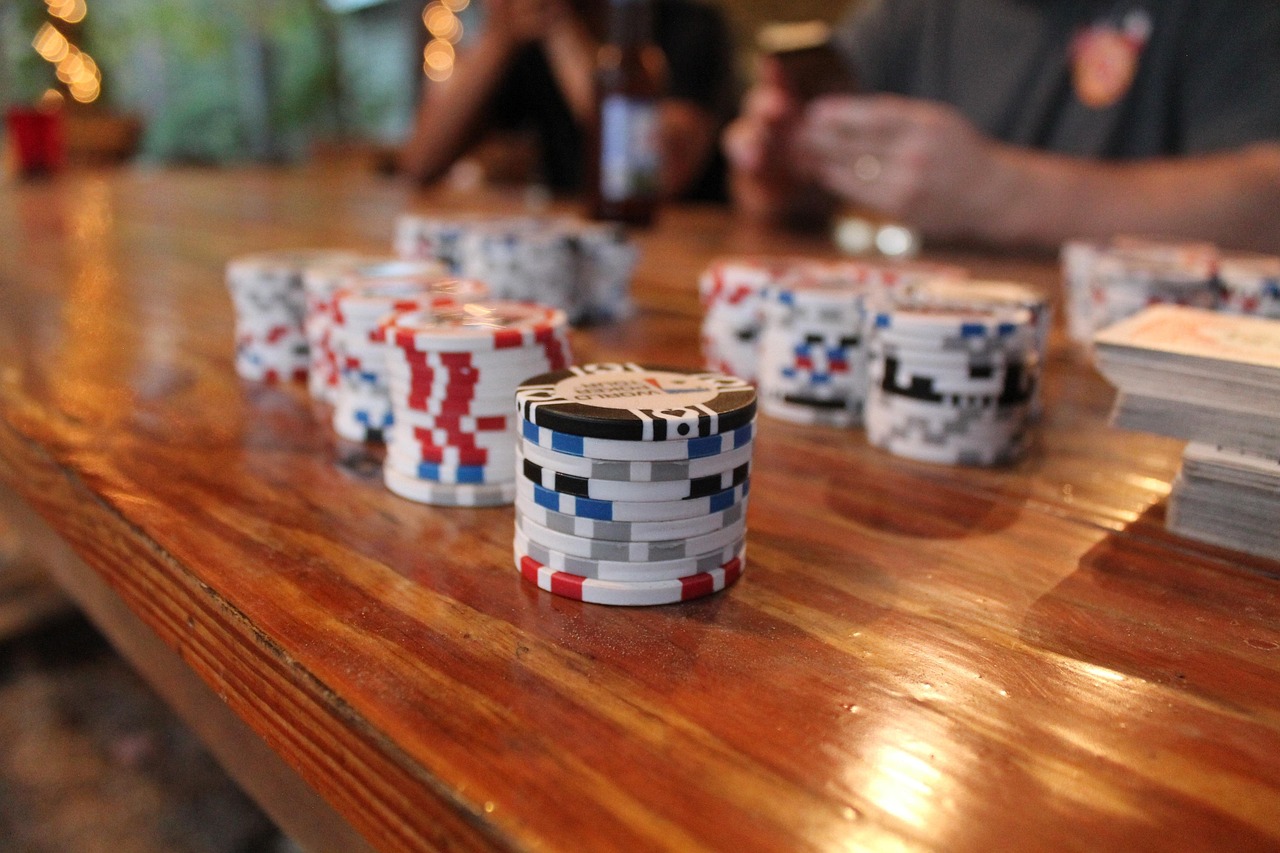
- Chip stacking: Messy stacks that get organized after a big pot can signal nervous energy. But this one is weak—ignore it unless you have history.
The real edge in poker isn't reading souls. It's understanding ranges. If a tight player raises from early position, their range is narrow. If a loose player raises from the button, it's wide. Adjust your calling and re-raising thresholds accordingly. That's where the money comes from.
Betting Markets: The Difference Between Value and a Hunch
Sports betting has a simple rule that most punters ignore: you're not betting on who wins. You're betting on whether the odds are wrong. A -200 favorite in a coin-flip situation is a terrible bet, even if you think they'll win. A +150 underdog in a true 50/50 matchup is a great one.
Sharp bettors focus on closing line value. If you bet a team at +3 and the line closes at +1, you got value even if you lose. Over 1,000 bets, that edge compounds. Recreational bettors chase parlays and same-game multis because the payouts are exciting, but the house edge on those markets is often 15–25%, compared to 4–5% on straight bets.
If you want to last, keep your bets simple and your stakes consistent. Flat betting 1–2% of your bankroll per play won't make you rich overnight, but it won't bankrupt you in a weekend either.
Bankroll Management: The Only Strategy That Never Fails
No betting system can beat the house edge in the long run. But bankroll management ensures you survive long enough to enjoy the swings and occasionally catch a heater.
- Never bet more than 2% of your total bankroll on a single slot spin.
- Set a loss limit before you start and stick to it. $100 means $100.
- Separate gambling money from rent money. Always.
- Track your sessions. A simple spreadsheet reveals patterns you'd never notice otherwise.
The players who last aren't the ones with the best intuition. They're the ones who treat gambling like an expense, not an investment. They know the math is against them and they play anyway—for fun, for the thrill, for the story. That's a healthy relationship with the games.
If you're playing to win, understand that the only guaranteed winner in the building is the operator. Your job is to lose slowly, enjoy the ride, and occasionally take a chunk out of them when the variance swings your way. The moment you forget that, the table has already won.
tag: iGaming

James Hargreaves Author
Fine grasses such as sheep fescue and crested dogstail support wildflowers without overwhelming them, creating structure and texture.
YOU MAY ALSO LIKE
Choosing Native Grasses for a Balanced Meadow
Sep 19
10Light mowing, removing early weeds, and checking drainage help your meadow wake up without damaging delicate emerging seedlings.
read more
Spring Jobs for a Healthy Wildflower Patch
Sep 14
10This native annual weakens competitive grasses, giving wildflowers more room to establish in established meadows and new sowings.
read moreWildflower Meadows
-

ERRIC CATONA
Cut once after seed set, remove clippings to lower fertility, and leave areas of uncut stems for overwintering insects and wildlife.
May 19, 2016 at 5.12 pm
Reply
ERRIC CATONA
Even a compact plot can host a mini meadow using containers, raised beds, or a sunny border left unmown through summer.
May 19, 2016 at 5.12 pm
Reply -
ERRIC CATONA
Plug plants establish faster than seed and let you place species precisely, ideal for filling gaps in young meadows.
May 19, 2016 at 5.12 pm
Reply
Garden Design
Your email address will not be published.